Children of Duck: A Designer's Real-World Embroidery Review
As someone who has spent years evaluating machine embroidery design files for both personal hobby projects and commercial small business lines, I approach every new download with a mix of excitement and skepticism. We have all been there: clicking "buy" on a cute image only to find the stitch density is off, the details get lost in the fabric, or the overall vibe clashes with the intended product. Today, I am putting Children of Duck through the wringer. This isn't just about looking at a screenshot; it is about visualizing how this piece performs when it actually hits the hoop.
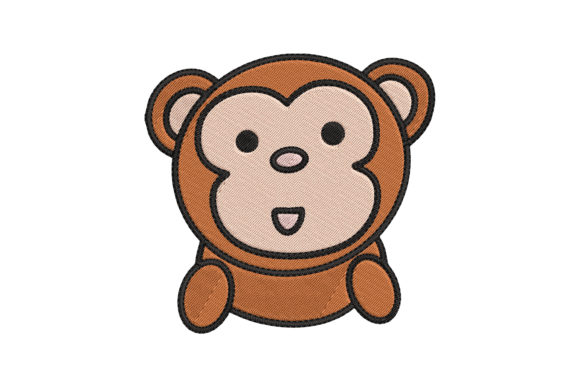
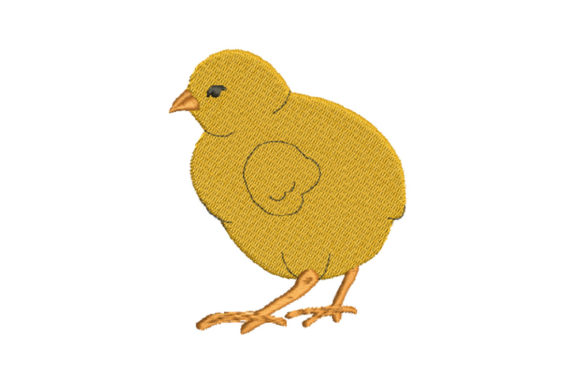
The moment you open the file for Children of Duck, the first impression is one of immediate charm. The theme falls squarely into the Baby Animals category, but what stands out is the playful innocence that translates well beyond simple clip art. For an embroiderer, the layout is clean. It avoids the cluttered look that often plagues digital designs, opting instead for shapes that suggest movement and softness. When I imagine stitching this onto a white cotton tee or a canvas tote, the mood shifts instantly from generic to boutique-quality. It feels like something a customer would pause to admire in a shop window, not just another item on a rack.
Real-World Application: From Tote Bag to Boutique Shelf
Let us consider a specific scenario. Imagine you are preparing inventory for an upcoming farmer's market or launching a new collection on Etsy. You need a versatile piece that appeals to parents, gift-givers, and craft lovers alike. You decide to test Children of Duck on a heavy-duty canvas tote bag. This is a classic use case for this type of design. The sturdy fabric can handle the weight of the stitches without puckering, and the neutral background allows the thread colors to pop.
In this context, the design acts as a focal point. Unlike a large, complex scene that might overwhelm a small tote, Children of Duck sits comfortably in the center or upper corner. It suggests a story—perhaps a day at the market, a picnic, or simply a love for nature. If you were to switch materials to a soft sweatshirt, the same design takes on a cozy, nursery-ready feel. The transition from a utilitarian bag to a wearable garment demonstrates the flexibility of this embroidery file. It proves that good design assets are not limited to one surface; they adapt to the texture of the project while maintaining their character.
For the Etsy seller or small shop owner, this versatility is gold. You could create a matching set: a baby onesie, a kitchen towel, and a pillow cover, all featuring the same motif. The consistency builds brand recognition. When a buyer sees that cohesive look across different products, trust increases. They know exactly what kind of quality and aesthetic they are getting. The design supports a "handmade product" narrative because it feels curated rather than mass-produced.
Technical Performance and Stitch Clarity
When evaluating the technical side of Children of Duck, we have to look at how the stitches interact with the fabric. Designs in the animal category often rely heavily on satin stitch for outlines and fill stitch for bodies. In this file, the balance seems appropriate for general machine work. The shapes are distinct enough that even on textured fabrics, the silhouette remains clear. However, the devil is always in the details.
If you plan to use this for custom apparel like t-shirts, pay close attention to the stitch density. While the design looks great on paper, high-density areas can sometimes cause the fabric to bunch up if the stabilizer isn't chosen correctly. I recommend using a cut-away stabilizer for stretchy knits to ensure the embroidery lays flat after washing. For woven fabrics like linen or canvas, a tear-away might suffice, but testing is key.
The design also works well for creating an embroidered patch. The defined edges allow for easy application onto denim jackets or caps. Just be mindful of the size relative to the patch backing material. If the design includes fine lines, ensure your machine needle is sharp enough to pierce the layers cleanly without skipping stitches. A skipped stitch on a tiny detail can ruin the innocent look that makes this design so appealing.
Where to Exercise Caution
Even the best digital embroidery file has limitations. There are specific scenarios where Children of Duck might struggle if not handled with care. First, avoid placing this on very thin or highly stretchy fabrics without adequate stabilization. If the fabric is too delicate, the tension required to pull the threads tight could distort the material around the design.
Another area to watch is dark fabric. While the design is adorable, its effectiveness relies on contrast. If you are stitching this on black or navy clothing, you must select thread colors that provide sufficient visibility. Light pastels might disappear into the weave unless you use a high-quality underlay or a lighter base thread. Always run a test swatch in black and white mockups first to see if the contrast holds up before committing to a full production run.
Small hoop sizes present another challenge. If you are working on a cap or a small pocket, check the dimensions of the design against your hoop capacity. If the design is too large for the available space, the machine will struggle to reach the corners, resulting in incomplete stitching. Similarly, if the design features tiny lettering or intricate facial details, ensure these elements are large enough to be readable once stitched. Tiny details often get lost in the fuzz of fleece or the texture of corduroy.
Designer Notes for Success
To get the most out of Children of Duck for your craft business or personal gifts, follow these practical steps. Always test the design on scrap fabric that matches your final project material. This reveals how the thread colors react to the specific weave and texture. Check the hoop size requirements provided by the creator; if they are not listed in the product description, assume a standard 4x4 or 5x7 inch area and verify the actual dimensions within your software.
Review the stitch density in your digitizing software. If the fill areas seem overly dense, consider adjusting the settings to reduce the thread usage slightly, which can prevent puckering and make the finished product more comfortable to wear. Inspect small details closely, especially around the eyes and beaks of the ducks, to ensure they are not merging together during the stitching process.
Finally, confirm the licensing terms before selling finished items. Many commercial embroidery projects require a specific license to sell products made with the design. If you are a Etsy seller or running a small shop, understanding whether you can sell the physical goods or if the license is for personal use only is critical. Do not assume; read the fine print or contact the designer directly.
Ultimately, Children of Duck offers a delightful addition to any library of design assets. It brings a sense of whimsy and warmth that resonates with buyers looking for unique, personalized gifts. Whether you are making holiday gifts, boutique branding, or printable mockups for your online store, this design provides a solid foundation. By paying attention to fabric choice, stabilizer selection, and proper testing, you can turn this simple digital file into a stunning finished product that customers will love. Happy stitching!