Lung Cancer Awareness Design Review
As an experienced embroidery designer who has spent years refining digital assets for commercial use, I approach every new file with a critical eye. When evaluating the Lung Cancer Awareness design for small business merchandise and branded patches, the first question is not just about aesthetics, but about viability in a production environment. This review focuses on how this specific machine embroidery design functions as a tool for brand identity, customer trust, and professional presentation.
First Impressions: A Blend of Elegance and Purpose
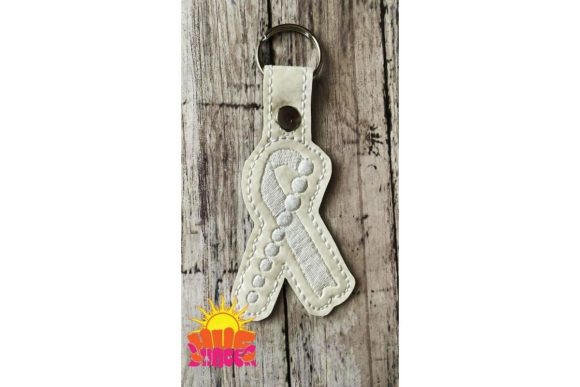
The description highlights a "beautiful ribbon with pearls to represent lung cancer." In the world of embroidery, the inclusion of pearl elements immediately signals a premium feel. Unlike standard flat satin stitch designs, the promise of textured details suggests a design that can elevate a product from generic to bespoke. For a small business owner selling handmade products or running a boutique, this visual personality is crucial. It strikes a balance between being respectful of the cause and maintaining a sophisticated look suitable for high-end apparel or corporate uniforms.
The design feels both modern and classic. The ribbon motif is timeless, while the pearl accents add a contemporary touch of luxury. This duality makes it versatile enough for various applications, from a subtle chest logo on a staff uniform to a statement piece on a tote bag. However, the elegance of the design demands precision. If the execution is sloppy, the intended premium effect is lost. Therefore, the success of using Lung Cancer Awareness relies heavily on the quality of the stitching and the choice of thread colors.
Real-World Application for Small Businesses
Imagine a local café or a creative studio looking to launch a line of merchandise to support lung cancer awareness. The Lung Cancer Awareness design offers significant potential here. It is not merely a decoration; it is a communication tool. When applied as an embroidered patch on a cap or apron, it transforms a simple work garment into a conversation starter. Staff wearing this design become ambassadors for the cause, which can significantly boost customer engagement and brand affinity.
- Embroidered Patches: The design's structure makes it ideal for creating iron-on or sew-on patches. These can be attached to denim jackets, tote bags, or backpacks sold at craft fairs or online stores like Etsy. The bonus fob file mentioned in the product description adds immense value here, allowing businesses to create keychain accessories that serve as affordable entry points for customers.
- Uniforms and Aprons: For bakeries, florists, or boutiques, adding this design to apron embroidery creates a cohesive team look. It signals that the business cares about community issues, fostering a sense of shared values with the clientele.
- Caps and Headwear: A well-executed Lung Cancer Awareness design on the front panel of a cap is a powerful branding asset. It ensures visibility wherever the wearer goes, effectively turning employees into walking billboards for the brand and the cause.
- Tote Bag Designs: Tote bags are a staple of small business merch. Using this design allows retailers to offer a functional item that carries a meaningful message. The contrast between the soft fabric and the raised embroidery stitches enhances the tactile experience for the buyer.
Navigating Technical Challenges
While the design has great potential, there are areas where caution is required. As a designer, I always advise clients to consider the limitations of the medium. The "pearls" described likely involve complex fill patterns or specialized stitches. If the design is scaled down too much for a tiny patch or a small sleeve detail, these intricate details may merge together, losing their definition. In such cases, the design might appear muddy rather than elegant.
Furthermore, the stitch density is a critical factor. High-density designs require more time to stitch and can distort lightweight fabrics if not properly stabilized. When applying this to dark uniforms or textured fabrics, thread color contrast becomes paramount. A light-colored ribbon might get lost against a black shirt unless a contrasting underlay or bright thread is used. Always test the design on the actual fabric before committing to a large run.
Curved surfaces like caps present another challenge. While many modern machines handle curves well, a design with detailed outlines must be checked for distortion. If the curvature causes the text or lines to warp, the professional appearance suffers. Additionally, items that undergo frequent washing, such as work shirts or aprons, need robust construction. Ensure the design is dense enough to withstand abrasion without fraying.
Impact on Brand Identity and Professionalism
In the competitive landscape of small business merch, visual consistency is key. The Lung Cancer Awareness design, when executed correctly, projects professionalism and attention to detail. It tells the customer that the brand invests in quality. A poorly stitched logo can undermine trust, whereas a crisp, clean embroidery job reinforces the value of the product.
This design also supports the narrative of a handmade or artisanal brand. The texture of the embroidery adds a layer of authenticity that screen printing cannot replicate. For Etsy sellers and digital file buyers, having access to multiple formats means they can adapt the design to different products without compromising quality. Whether it is used on a custom apparel item or a product packaging accent, the design helps unify the brand's visual language.
However, the design must fit the brand's tone. If a business aims for a rugged, industrial aesthetic, the delicate nature of the pearl ribbon might feel out of place. Conversely, for brands focused on wellness, fashion, or community care, this design aligns perfectly with their identity. Understanding this alignment is essential for maximizing the return on investment for any commercial embroidery project.
Essential Designer Notes for Production
Before deploying the Lung Cancer Awareness design in a commercial setting, several practical steps are necessary. First, always test the design in black and white. This helps visualize the stitch density and spacing without the distraction of color. If the design looks cluttered in monochrome, it will likely struggle with color variations.
Check the hoop size requirements carefully. Large designs may require multi-hoop setups, which increases production time and cost. Verify the stabilizer type needed; a heavy-duty cut-away stabilizer is often required for durable patches, while a tear-away might suffice for lightweight totes. Creating a printable mockup before the final production run is a smart move. This allows you to show clients exactly what the finished product will look like, ensuring approval and reducing waste.
Review the thread colors to ensure they meet industry standards for the cause (typically grey for lung cancer) while still offering enough contrast for visibility. Inspect the spacing between elements to prevent thread breaks during high-speed stitching. Finally, confirm the commercial licensing terms. Just because a file includes multiple formats does not automatically grant unlimited commercial rights. Always read the fine print to ensure you are legally cleared to sell products featuring this design.
By following these guidelines, small business owners can leverage the Lung Cancer Awareness design to create meaningful, high-quality merchandise that resonates with customers and strengthens their brand identity.