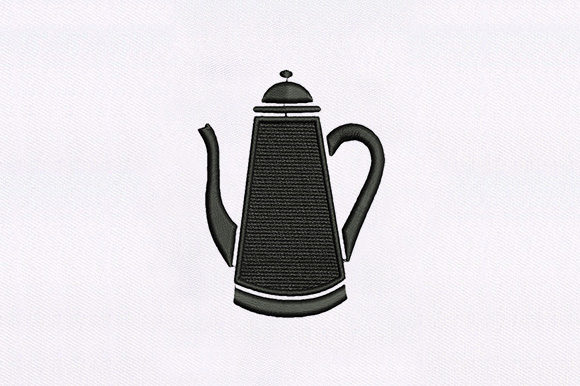
Teapot Embroidery Design Review
As an experienced embroidery designer, I recently reviewed the Teapot machine embroidery design and found it to be a versatile and visually appealing option for a variety of craft fair products. The design feels modern with a touch of farmhouse charm, making it suitable for both rustic and contemporary handmade items. It's a great fit for tea-themed products and can easily stand out in a booth display.
First Impressions of Teapot
The Teapot design immediately caught my attention with its clean lines and recognizable imagery. It doesn't feel overly detailed or cluttered, which is a big plus when considering how it will look on different fabric types. The simplicity of the design allows it to be both bold and delicate depending on the placement and fabric used.
It’s not too cute or too serious, striking a balance that makes it appealing to a wide range of customers. This makes it especially well-suited for handmade product displays at craft fairs where buyers are looking for something unique yet familiar.
Performance on Various Products
The Teapot design performs exceptionally well on a variety of surfaces, including tote bags, aprons, kitchen towels, caps, patches, fabric pouches, and pillow covers. On a tote bag design, it works as a subtle accent or a bold focal point depending on placement. For apron embroidery, it adds a charming detail without overwhelming the overall look.
On tea towel embroidery, the design complements the practicality of the item with a touch of whimsy. As an embroidered patch, it looks great on jackets, backpacks, and even market bags. When applied to small items like fabric pouches or cap designs, it maintains clarity and visual appeal.
For craft fair products, this design has the potential to draw attention and create conversation. Its visual appeal is enhanced by the way it photographs, making it ideal for Etsy listings and printable mockups.
Practical Selling and Production Points
The Teapot design is easy to understand at a glance, which is crucial for attracting buyers at a craft fair. It works well as a small accent or a large focal design, giving sellers flexibility in how they incorporate it into their small shop product offerings.
Its clear outlines and minimal details make it photograph-friendly, which is essential for online visibility. The design also feels repeatable for batch production, which is important for commercial embroidery and selling in bulk.
However, there are some considerations to keep in mind. If using thick fabric or textured towels, you may need to adjust the stabilizer or test the design on scrap fabric first. Similarly, if applying the digital embroidery file to dark fabrics, ensure the thread colors provide enough contrast for visibility.
Careful-Use Notes
While the Teapot design is generally forgiving, there are a few areas to be cautious about. Dense stitch areas may require additional stabilizing to prevent puckering. Tiny details or small lettering might not translate well at smaller sizes, so always check the hoop size and stitch density before finalizing production.
If using the design on curved surfaces like caps or pouches, consider how the design will lay and whether adjustments are needed for proper alignment. Always review spacing and confirm the embroidery file format compatibility with your machine before starting.
Visual Appeal and Customer Engagement
The Teapot design enhances the visual appeal of any product it's applied to, adding a sense of quality and intentionality. It helps elevate the perceived value of handmade products and supports brand consistency for Etsy sellers and boutique makers.
At a craft fair, this design can become a conversation starter, drawing customers to your booth and increasing buyer engagement. Its versatility makes it a strong addition to any craft fair product lineup, especially when paired with other complementary designs.
Embroidery Designer Tips
Before producing finished products with the Teapot design, always test it on scrap fabric to see how it looks and feels. Check thread colors against the fabric you plan to use, and review the spacing and hoop size to ensure accuracy.
Inspect the stitch density and use the right stabilizer for your fabric type. Creating at least one real mockup can help you visualize the final look and make any necessary adjustments. Compare fabric colors carefully to ensure the design translates well in person.
Finally, confirm commercial licensing before selling finished products to avoid legal issues. Always treat your design assets with care and respect, ensuring they are used appropriately for your business needs.
The Teapot machine embroidery design is a valuable asset for any handmade product seller looking to add a touch of personality and charm to their craft fair product offerings. With thoughtful application and attention to detail, it can become a standout feature in your booth and a favorite among your customers.